Bridging the Gaps in Restoration
April 28 - May 1, 2026
Real Water for Fish: Improving Instream Flows through Water Accounting, Insights, and Advocacy
28 April 2026
9:00am - 5:00pm
Workshop Coordinators: Konrad Fisher, Water Climate Trust; Nick Joslin, Mount Shasta Bioregional Ecology Center; and Angelina Cook, California Sportfishing Protection Alliance
The goal of this workshop is to promote improved instream flow outcomes through better water accounting, encouraging accountability, and strategic advocacy. This wide-ranging workshop is intended to be broadly applicable to many disciplines and roles, including scientists, funders, restoration project developers, advocates, and regulators.
We will explore why some approaches to increasing instream flows are more likely to be successful than others. Regulations to establish instream flow requirements can keep significant quantities of water instream, however, barriers include political realities and potential scientific uncertainties. At the same time, some instream flow projects seem promising at first glance but are actually counterproductive. Examples include: 1) replacing leaky ditches with pipelines without requiring that the diversion be downsized to account for the previous ditch losses (i.e., groundwater recharge), 2) upgrading diversion infrastructure to provide flexibility that enables increased diversion rates and/or lengthening the seasonal duration of diversion, 3) providing new infrastructure to continue irrigating land that lacks a valid water right, and 4) Purchasing “paper water” rights, short term transactions, or funding a property transaction without adequate understanding of water rights and beneficial uses. Funders may lack local knowledge and/or subject matter expertise, so providing knowledgeable locals and subject matter experts with opportunities to provide input prior to project funding can improve outcomes and avoid counterproductive projects. We all have a responsibility to ensure that restoration funds are invested in projects that provide maximal environmental benefits.
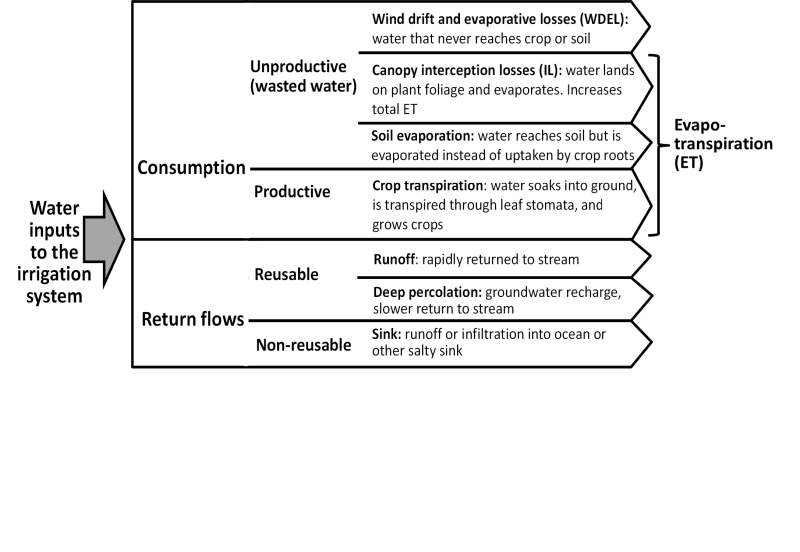
Attendees will learn about often misunderstood fundamental concepts including how instream flow studies can lead to instream flow requirements; characteristics of different kinds of water rights (pre-1914, post-1914, riparian, appropriative), weaknesses in instream flow dedications (i.e., conditions in permissive 1707 dedications that limit their efficacy), and the irrigation efficiency paradox (i.e., why converting from inefficient flood irrigation to efficient sprinklers can reduce diversions at the scale of individual farms, but increase consumptive use and intensify water scarcity at basin scales). Presenters will provide guidance on what makes a good instream flow project and how to avoid counterproductive pitfalls. We will explore why some cost-effective strategies, such as buying irrigated land and permanently retiring water rights, are seldom used. Significant flow benefits may also be achieved through better enforcement of existing laws and regulations, so presenters will provide guidance on how to effectively file complaints when violations are observed.
Attendees will learn what important—yet frequently overlooked—questions should be asked when developing and evaluating instream flow projects. In breakout sessions, attendees will have hands-on opportunities to review and critique anonymized conceptual project proposals and discuss their strengths and weaknesses. Group discussions will provide ample opportunities for lively and respectful exchanges of ideas.
Morning Session:
Water Law 101: An Overview of California Water Law For Instream Flow Practitioners, Matthew Clifford, J.D. Trout Unlimited Lauren Bernadette, J.D, Trout Unlimited
An Incomplete Survey of Methodologies for Setting Instream Flow, Chris Shutes, Executive Director, California Sportfishing Protection Alliance
Instream Flow Requirements on the Scott and Shasta Rivers: A Case Study in River Advocacy, Nathaniel Kane, Esq., Executive Director, Environmental Law Foundation, Madi Richards, Esq., Policy Manager, California Coastkeeper Alliance
Water Management Regulation: An Irrigator Experience of Navigating Water Regulations and Suggestions on How to Improve Them for Better Ecological Outcomes, Betsy Stapleton, Scott Valley Landowner and Irrigator
Using FERC Relicensing to Improve Streamflows, Chris Shutes, Executive Director, California Sportfishing Protection Alliance
Afternoon Session:
Lessons Learned on Instream Flow Dedications (1707), Amy Campbell, Senior Project Director, The Nature Conservancy
The Devil is in the Details- Avoiding Unintended Consequences While Developing Flow Restoration Projects, Nick Joslin, Policy and Advocacy Director, Mount Shasta Bioregional Ecology Center
Don't Rob Peter to Pay Paul – To Improve River Flows, Irrigation Improvement Projects Should Reduce Consumptive Water Use and Avoid Reducing Groundwater Recharge, Eli Asarian, Riverbend Sciences
Measuring Cost-Effectiveness of Environmental Water Transactions, Davíd Pilz, J.D., Managing Partner, Fluent Freshwater Insights
Fish Flow Funding Principles: Public Funding Should Improve & Avoid Harm to Instream Flows, Konrad Fisher, Director, Water Climate Trust