Bridging the Gaps in Restoration
April 28 - May 1, 2026
Lessons Learned: A Post-Fire Tour of Fish Passage Projects Across the Lassen West Slope
28 April 2026
Field Tour Coordinators: Eric Ginney, Environmental Science Associates; Tricia Bratcher, U.S. Fish and Wildlife Service; and Mark Gard, Ph.D., California Department of Fish and Wildlife. Guest presentation by Zeke Lunder, The Lookout
The 2024 Park Fire burned nearly 430,000 acres across Butte and Tehama counties. It was the fourth largest in California history, the second largest single wildfire (as compared to a wildfire complex, with multiple ignition points), and the largest fire ever caused by arson in the state. The post-fire response of key anadromous watersheds west of Mt. Lassen in terms of sediment supply and transport has been remarkable and has effected irrigation diversions and fish passage and screening facilities.
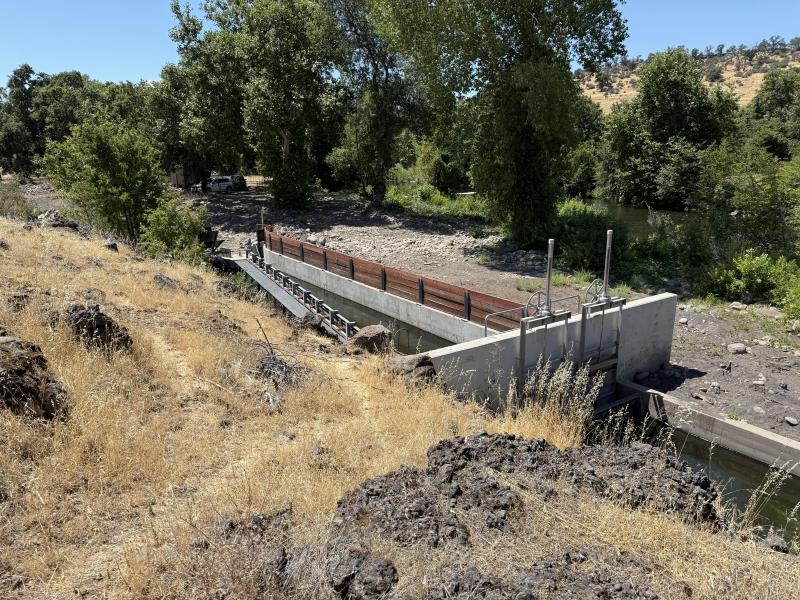
This tour will visit important past, and ongoing current, fish passage projects on Cow Creek, Paynes Creek, Mill Creek, and Deer Creek—home to remaining populations of imperiled spring-run Chinook salmon and Steelhead. Importantly, it will highlight sediment dynamics in watersheds impacted (and not impacted) by the Park Fire, illustrating fire effects on channel morphology, irrigation diversions, and fish passage and screening facilities. Each stop will provide lessons learned that may be applied to other future projects.
Speakers will include landowners, agencies, and others involved in the projects. To orient participants to the species, remaining habitat, challenges, and the history of actions to improve fish passage, the tour will start with a brief presentation. The presentation will also cover geology, geomorphology, fish populations and distribution, the extent and burn severity of the Park Fire, the size of diversions and approach for fish passage and screening, and other relevant factors.